The Rockefeller Institute for Medical Research
The Rockefeller Institute for Medical Research was founded in New York, in 1901, by oil magnate John D. Rockefeller whose philantropic aspirations had been inspired by “The principles and practice of medicine”1, a book containing the progressive medical vision of William Osler. This was the first institution in the United States devoted solely to biomedical research and to understand the underlying causes of diseases.
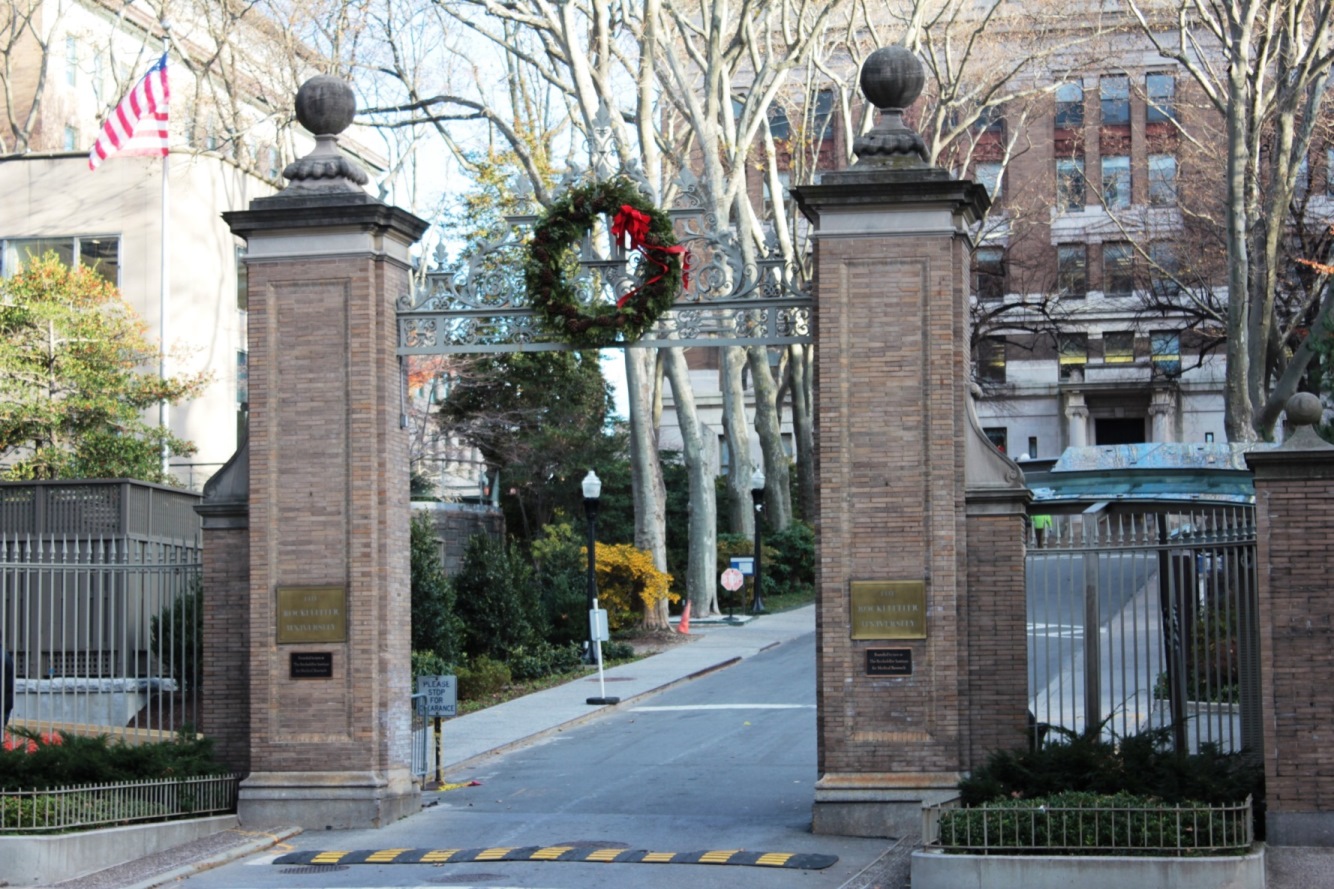
66th Street and York Avenue, Rockefeller University, Main Entrance, New York
“In 1955, Rockefeller expanded its mission to include education, admitting its first class of graduate students. It granted its first doctoral degrees in 1959. In 1965, The Rockefeller Institute became The Rockefeller University, broadening its research mandate further”.2
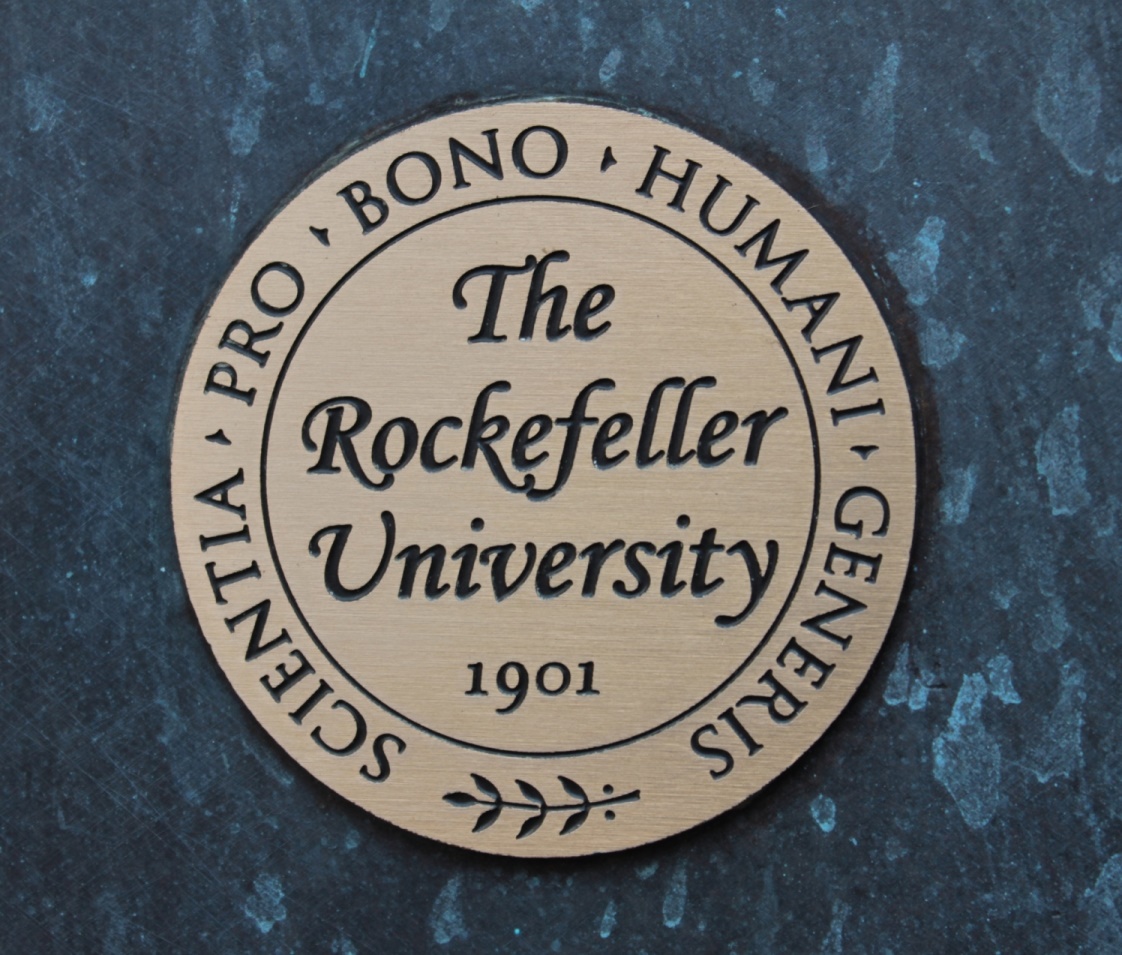
Rockefeller University Latin Motto, “Science for the benefit of humanity”
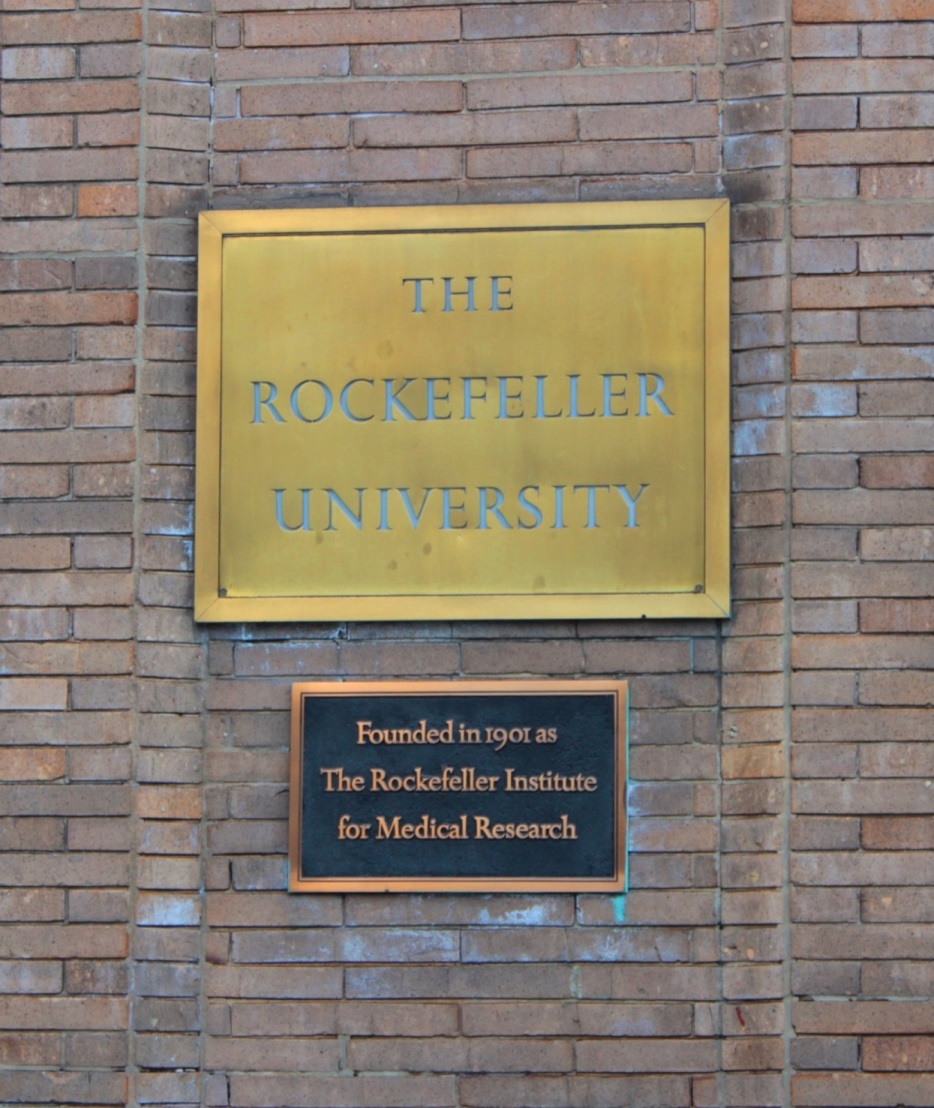
Rockefeller University Plaque, Main Entrance
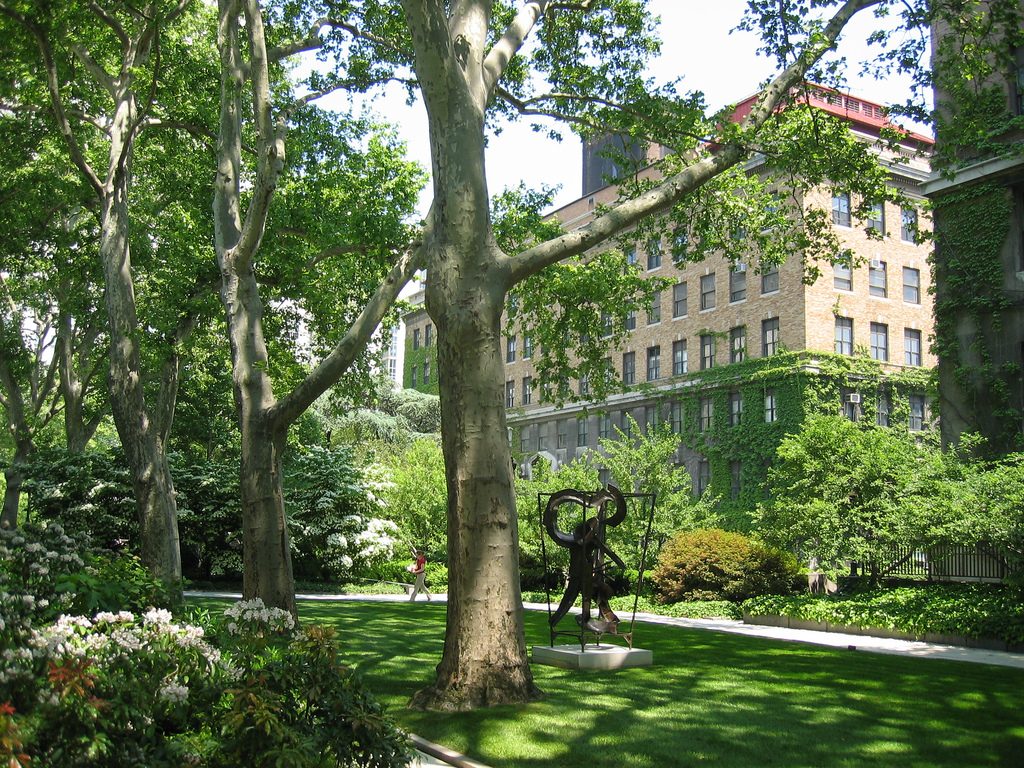
Rockefeller University, University Campus, New York
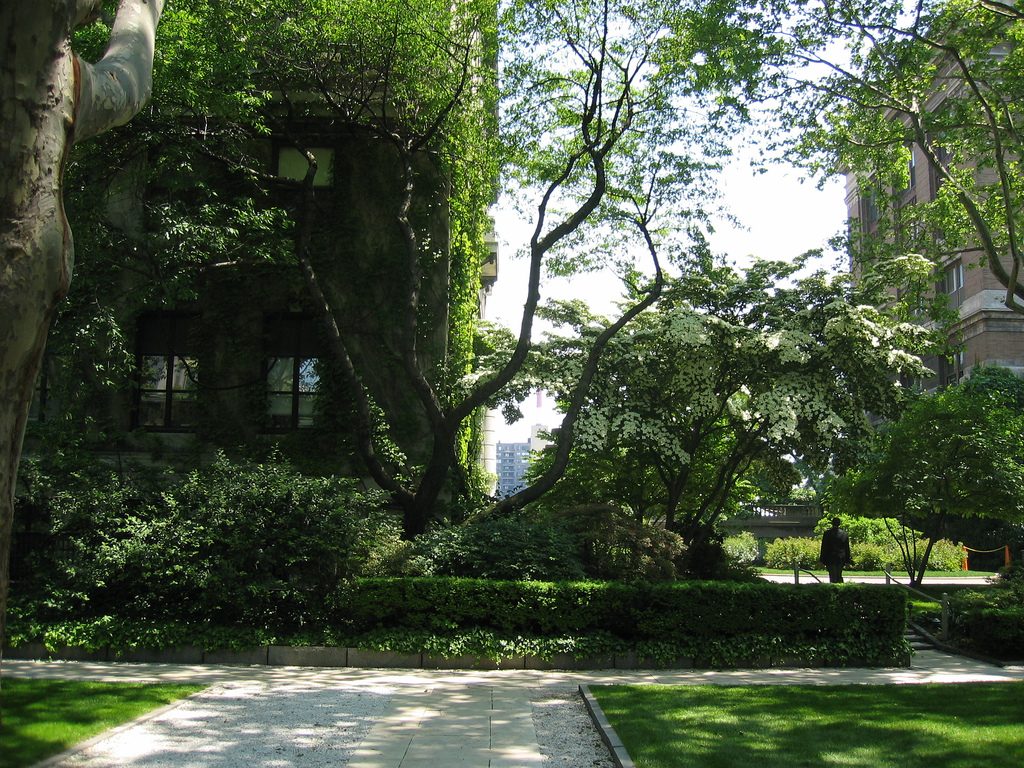
Rockefeller University, University Campus, New York
- Photos and main text by Simone Lunetta and Federico Pagano (January 2017), courtesy of Ms J. Einstein, Senior Communication Coordinator, The Rockefeller University
- Locate the item on this Google Map
Related items:
- Flexner Hall
- Founder’s Hall
- John D. Rockefeller’s bust
- Maclyn McCarty’s portrait
- Oswald Avery’s portrait
- Smith Hall
Bibliography
– G.W.Corner, A History of the Rockefeller Institute, The Rockefeller Institute Press, New York 1964.
– L. Borghi, Umori. Il fattore umano nella storia delle discipline biomediche, SEU, Roma 2012.