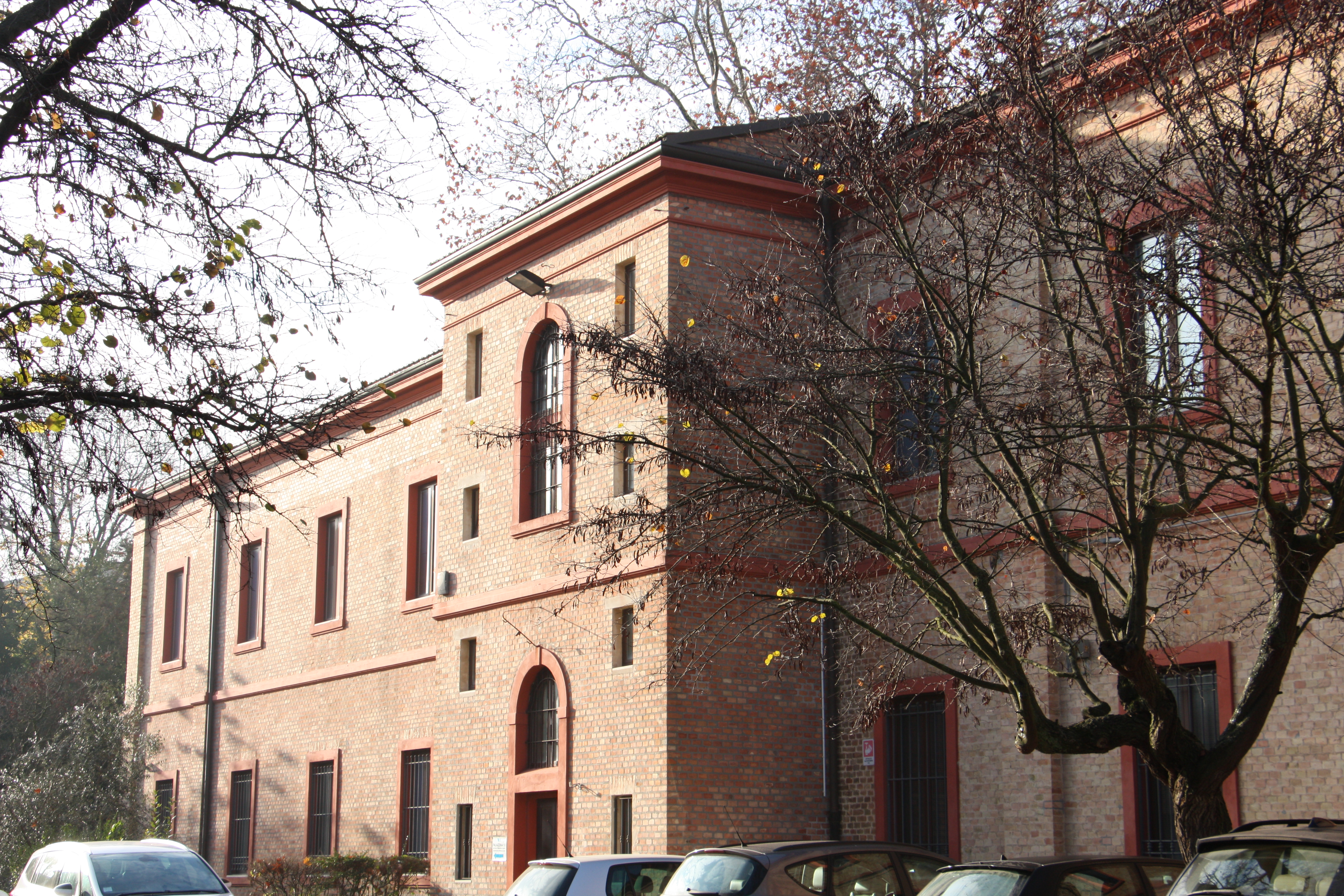
The provincial asylum of Ancona (Via Cristoforo Colombo, 106) was opened in 1901. Four hundred patients were transferred there from the old nursery for mentally ill run by monks Fatebenefratelli.
According to the law 36 of 1904 psychiatric hospitals were considered as
“All those institutions, however described, in which inmates of any kind are disposed.”1
After the earthquake of 30 October 1930 which damaged the structure, especially management offices, general services and infirmary, it was renewed under the direction of Gustavo Modena2. It was characterized by a large scientific research and an ethical commitment which had at the center of its life fighting the insanity. Modena wanted to turn the asylum shelter for dementia in a psychiatric hospital for treatment of mental illness.
During the second world war, after the bombing of 8 December 1943, patients were transferred in a scholastic building in Sassoferrato for a period of almost five years.
In 1972 another earthquake caused a momentary displacement for a year. After that period the new direction imposed a lot of changes: meetings of doctor, nurses and patients were convened, the wall that divided the right sector (dedicated to women) and the left sector (dedicated to men) that we can see nowadays was demolished, mixed departments were built to offer the possibility of meeting between men and women in dining halls and other places of assembly, contacts with the neighborhood were intensified to encourage the readjustment of the patients in the society.
Before the approval of the law 180 of 1978, known as “Basaglia law“3which imposed the closure of all the italian asylums, the neuropsychiatric hospital of Ancona was divided into six territorial sectors considering the subsequent transfer to the health facilities of the six USL (health-care unit) of the Province. At the same time, a collaboration started with the University Medical School of the town.
The story of the psychiatric hospital of Ancona lasts throughout the XX century until its gradual closure, from 1983, when the asylum became a residential center for all those old and lonely people who didn’t have any external recovery alternative, to 1998 when also the last patients were transferred in families or institutes.
Today the buildings have administrative, institutional, military, health, educational and social functions.
Pavilion 2: previously dedicated to pensioners women
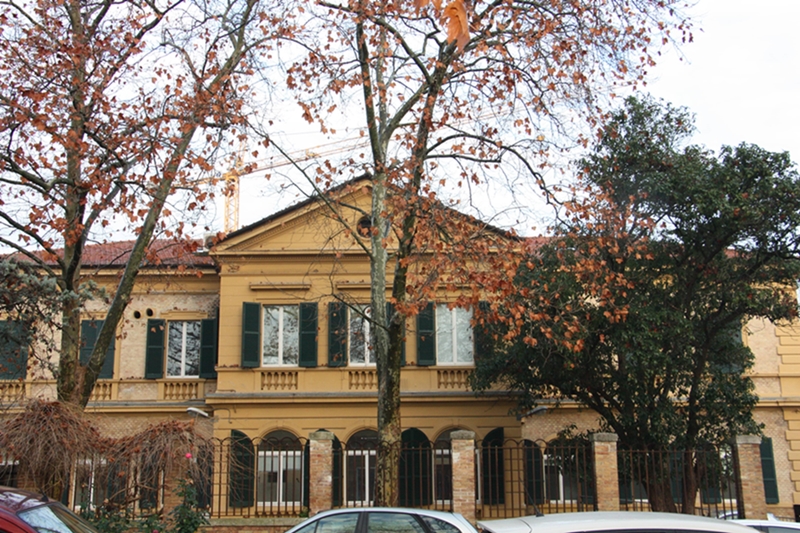
Pavilion 6: previously direction
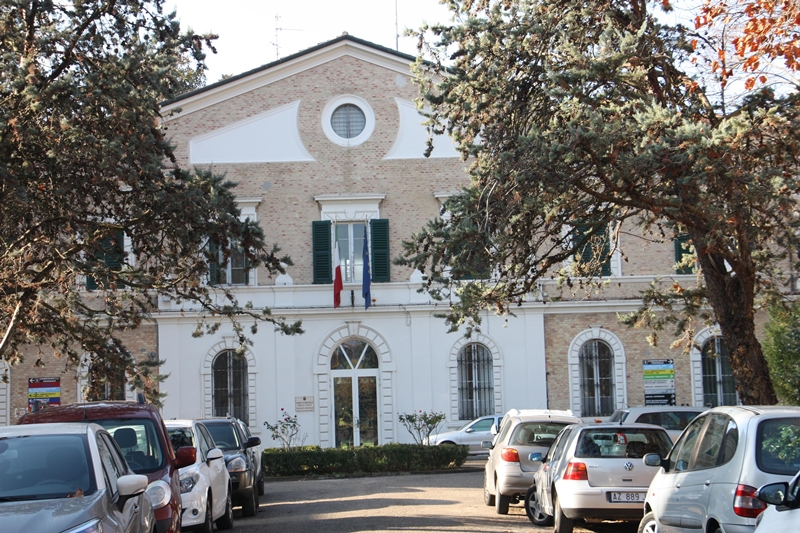
Pavilion 20: previously dedicated to restless men
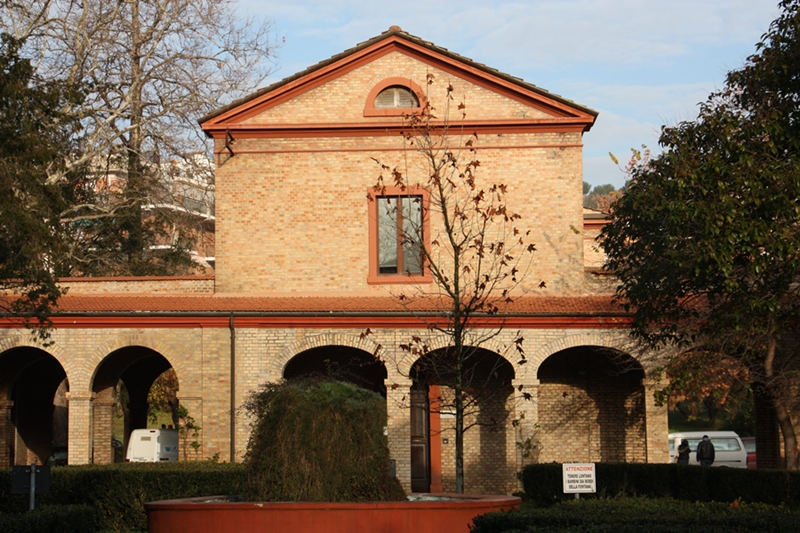
Pavilion 17: previously dedicated to women with epilepsy and chronic diseases
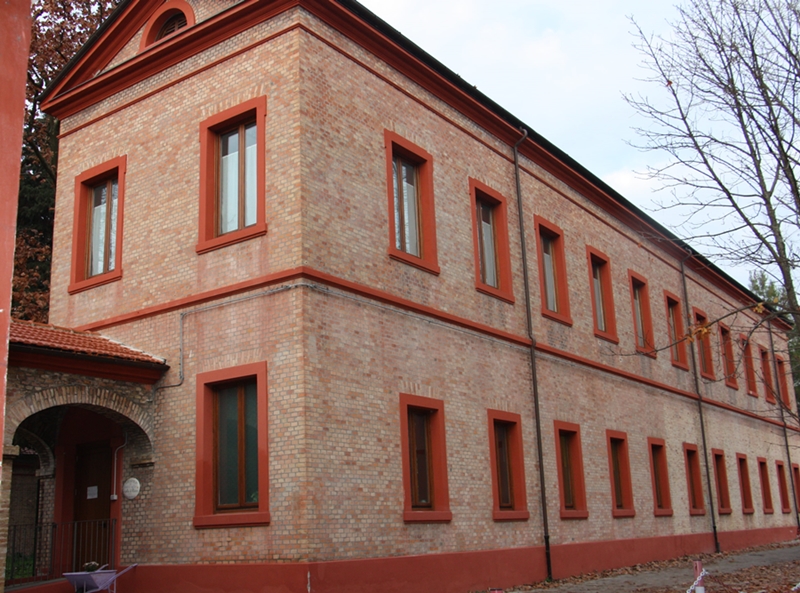
Pavilion 10: previously dorms for women
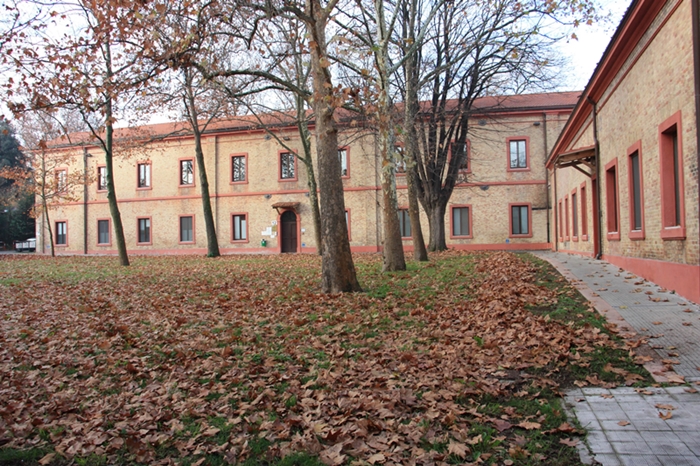
Pavilion 25: previously laboratory
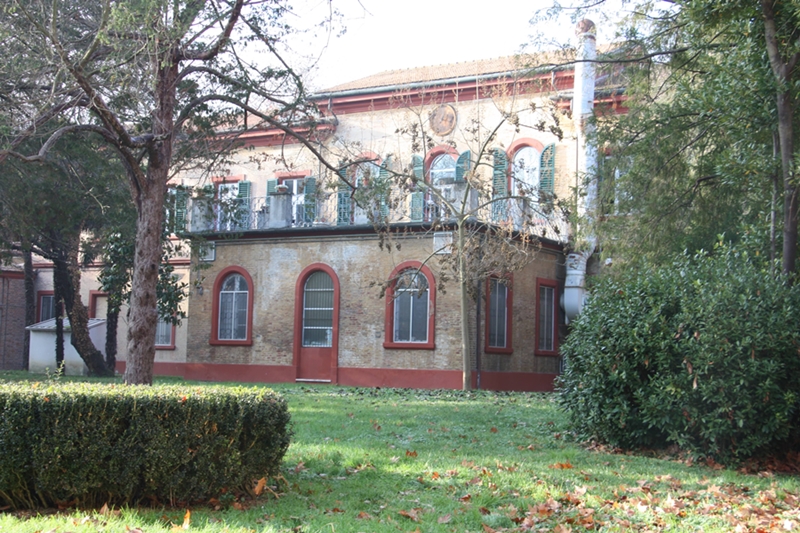
Esternal view of the central porch
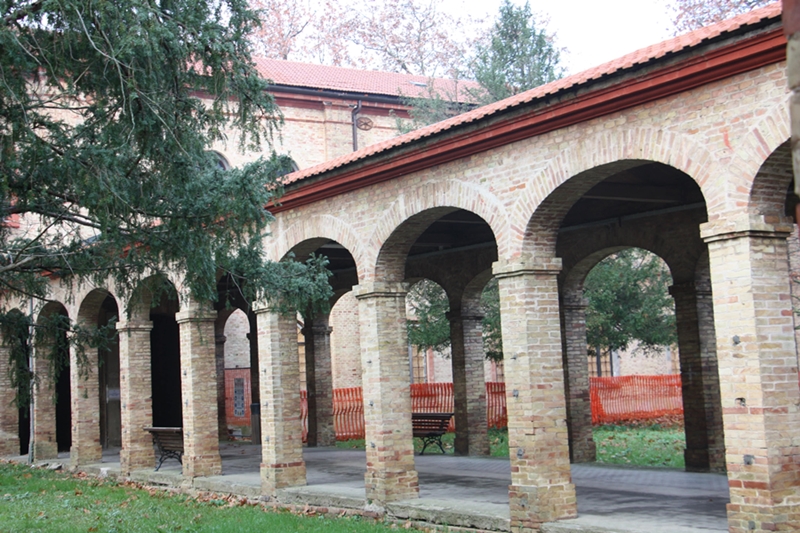
View from the central porch between pavilions 20 and 2: previously dedicated to the infirmary
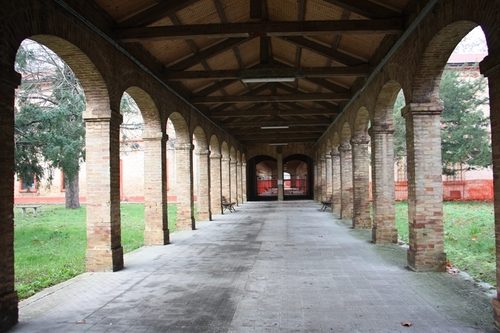
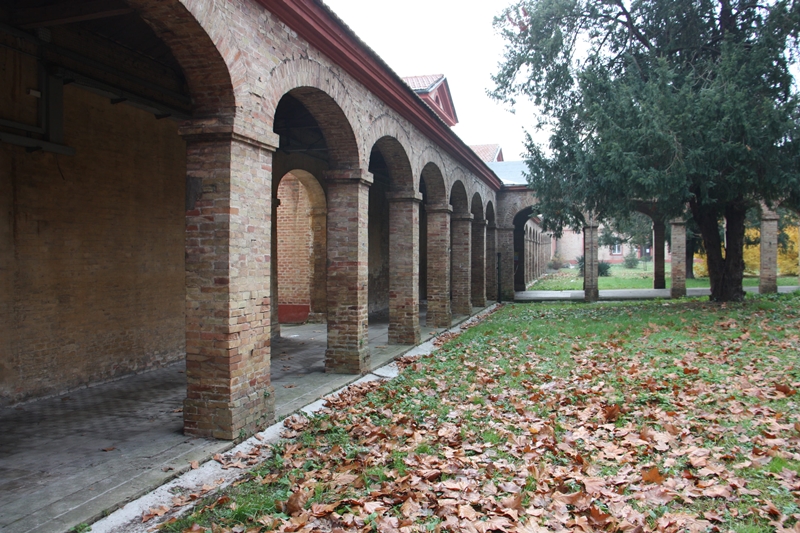
Internal garden
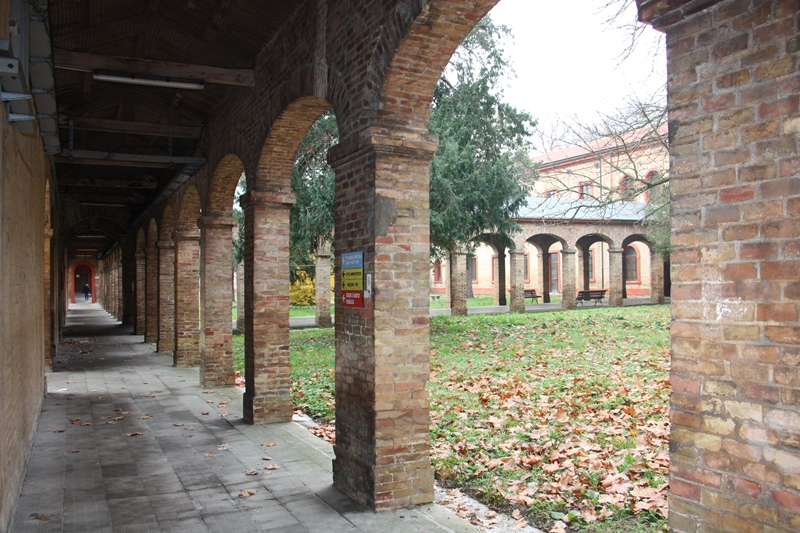
Internal garden
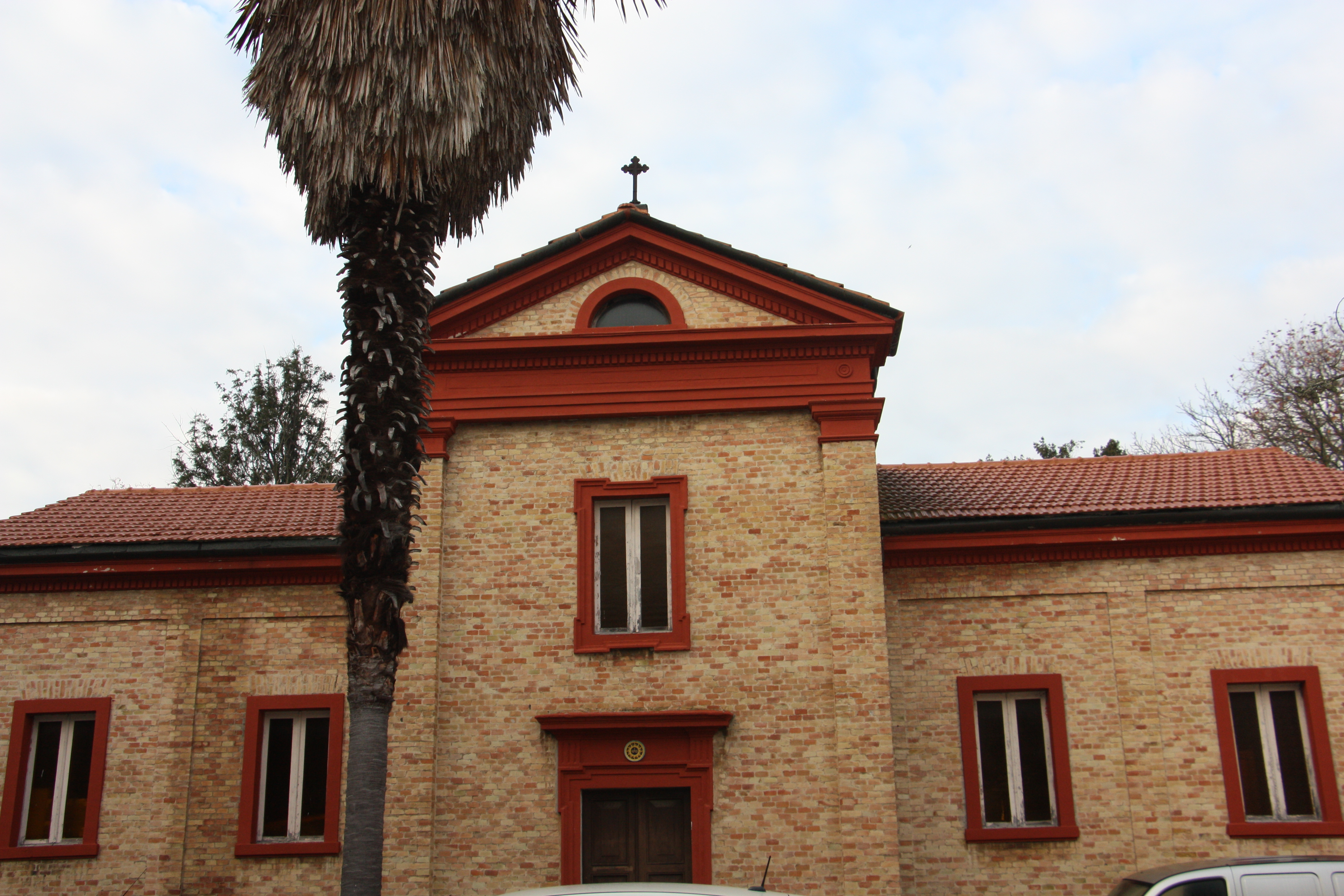
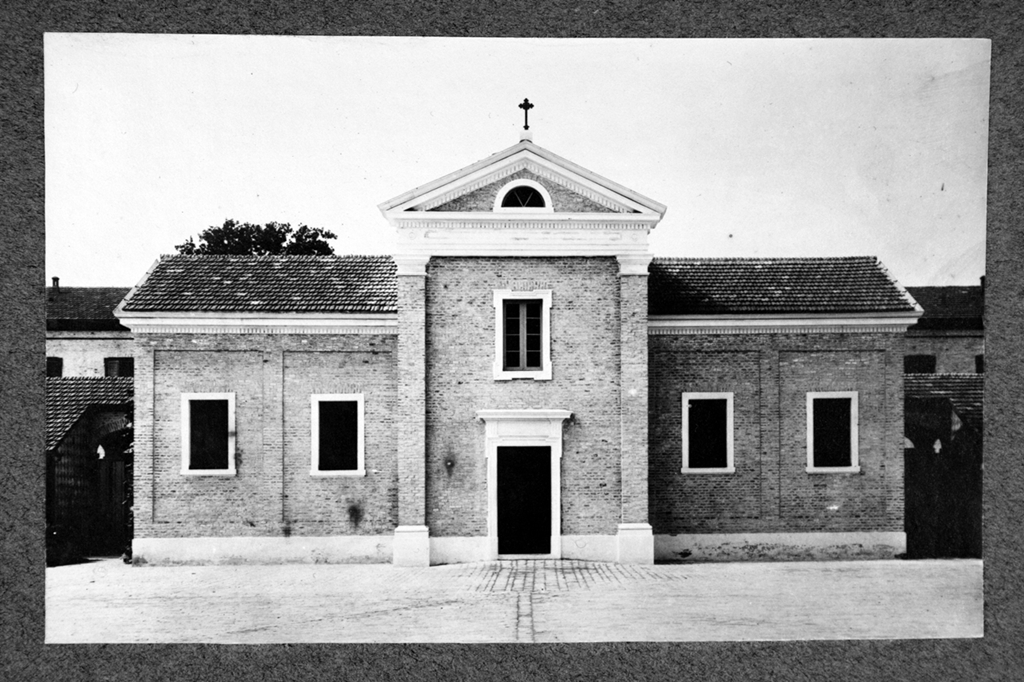
Pavilion 15: previously church
Internal garden
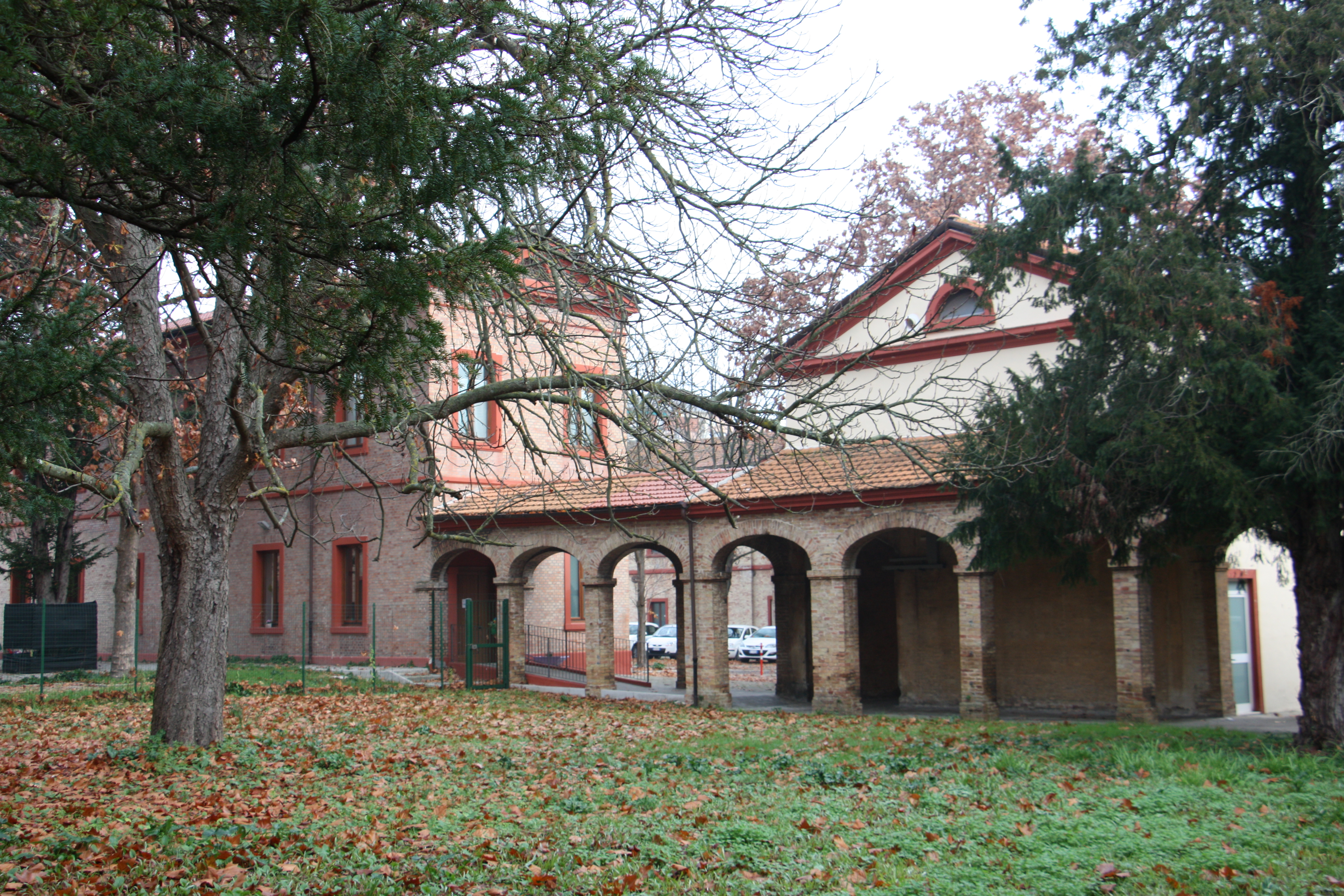
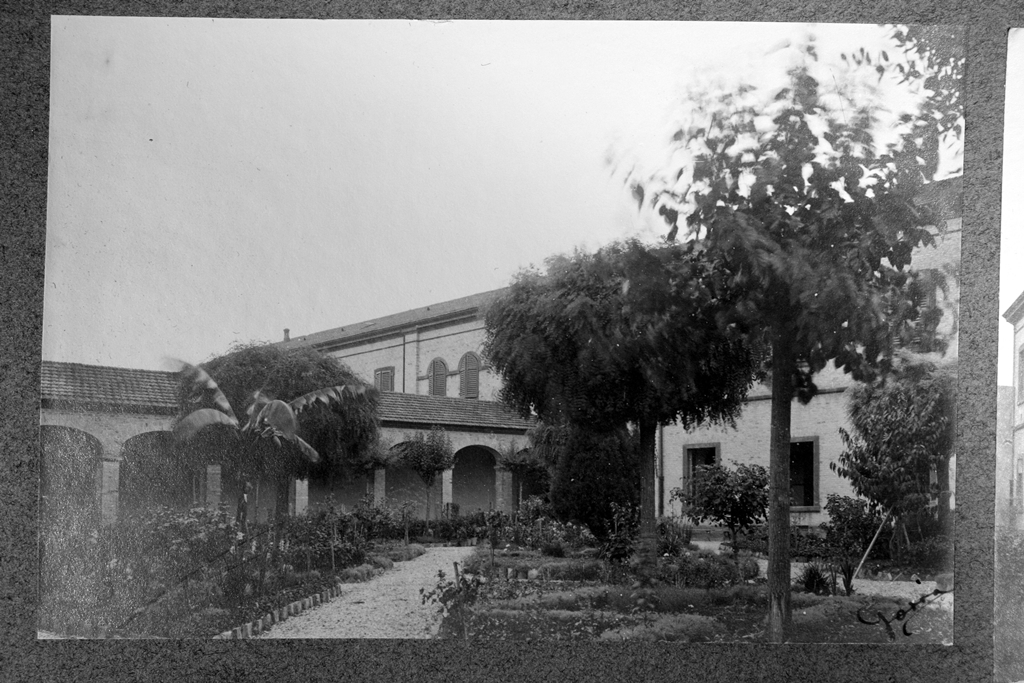
Pavilion 11: previously dorms for women
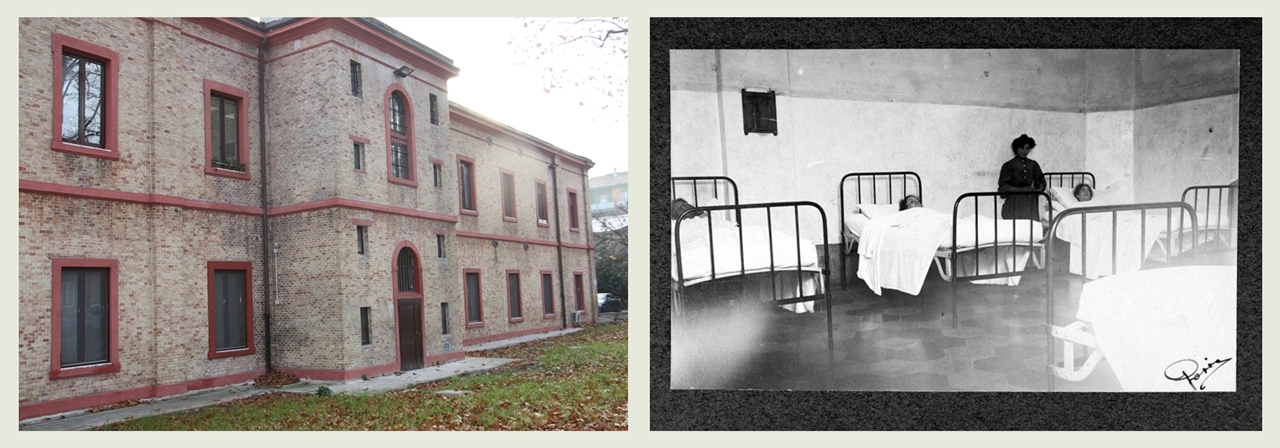
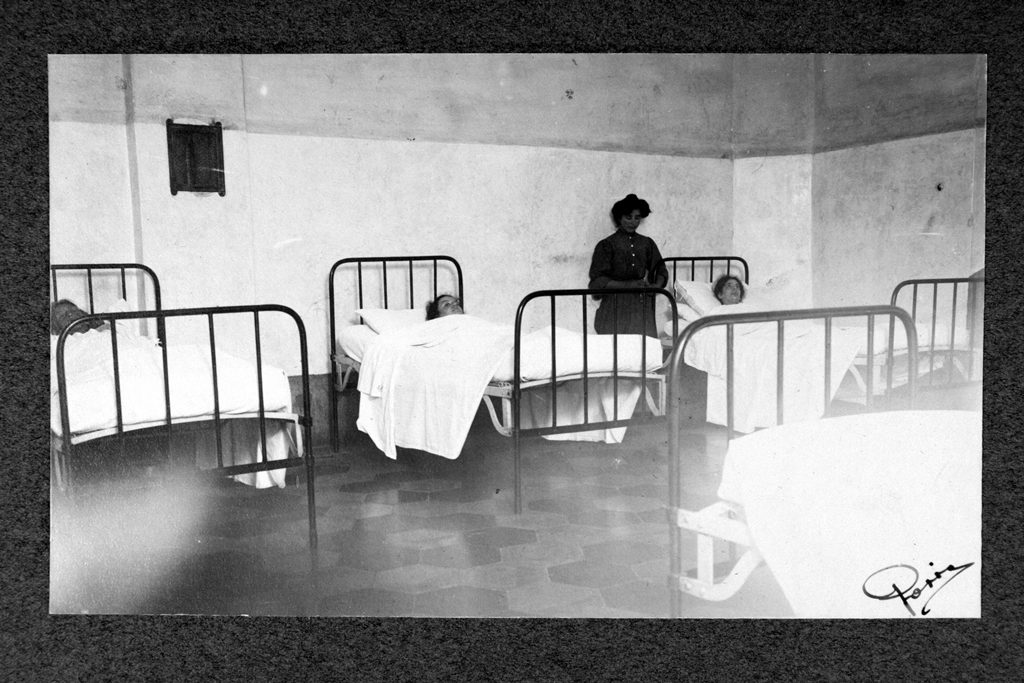
Pavilion 12: previously dorms for men
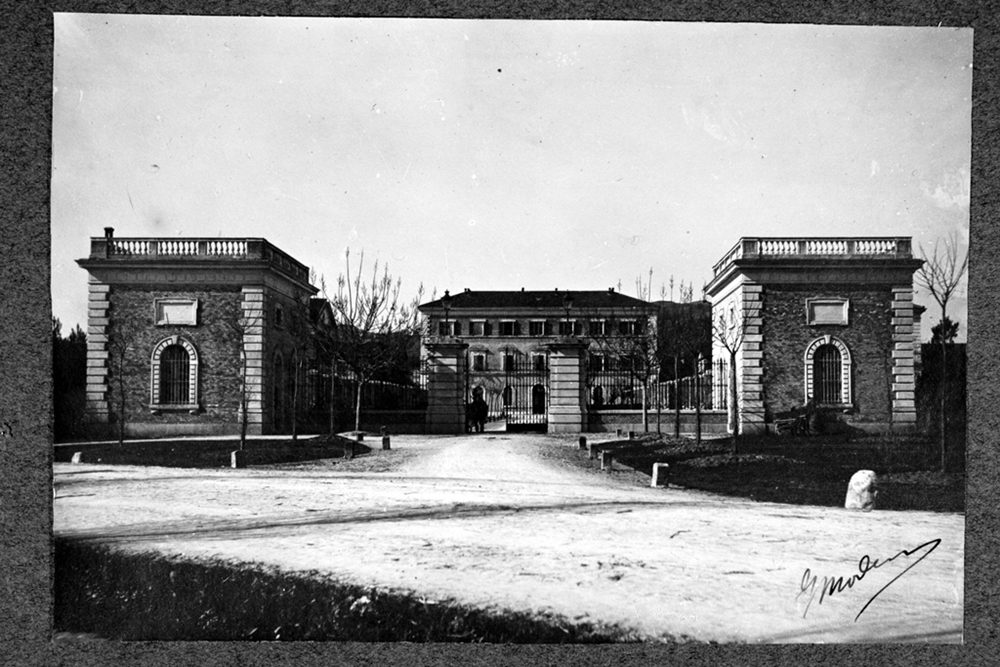
Entrance from the external
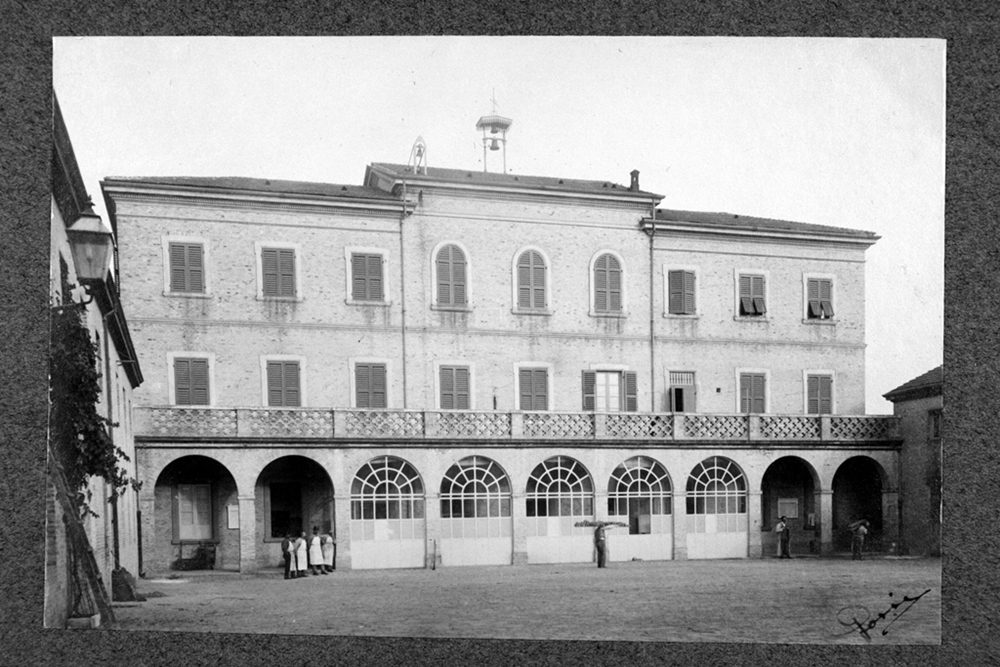
Internal courtyard
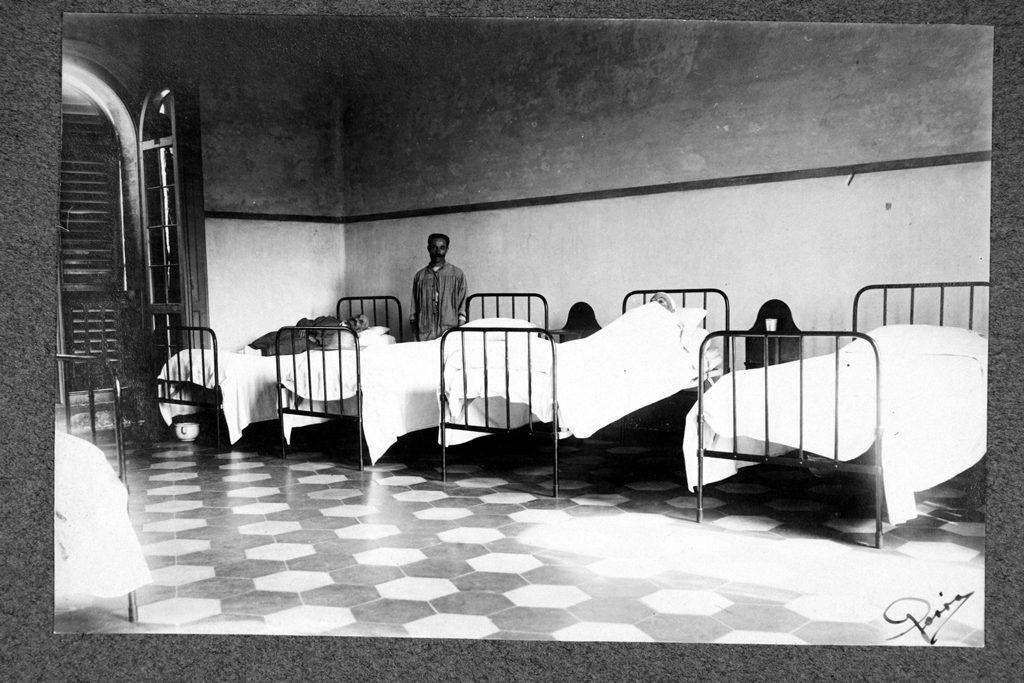
Infirmary
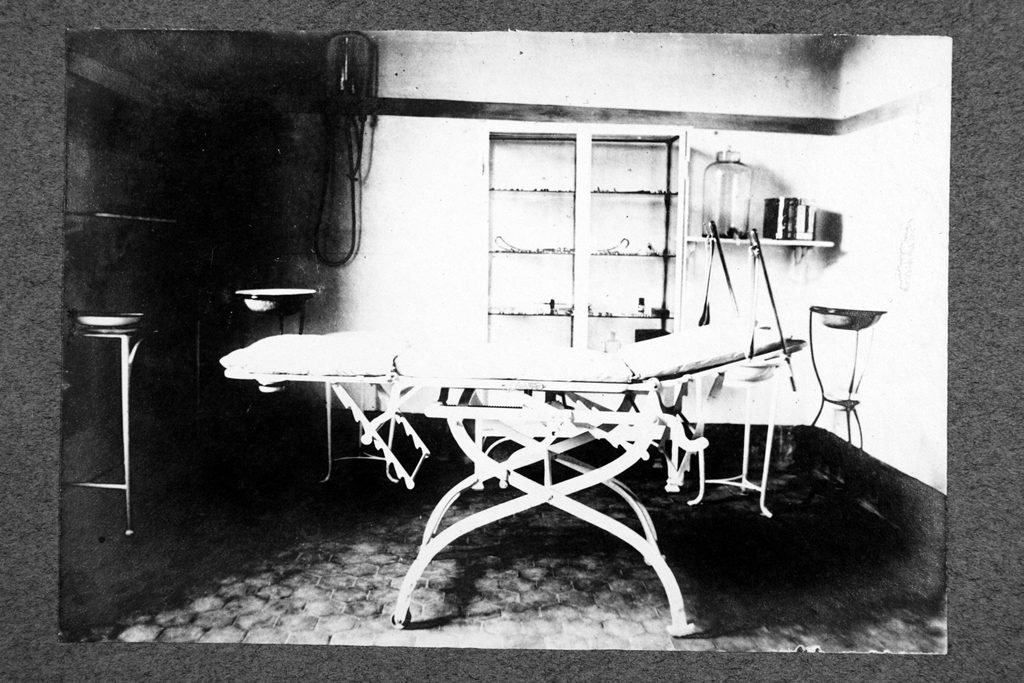
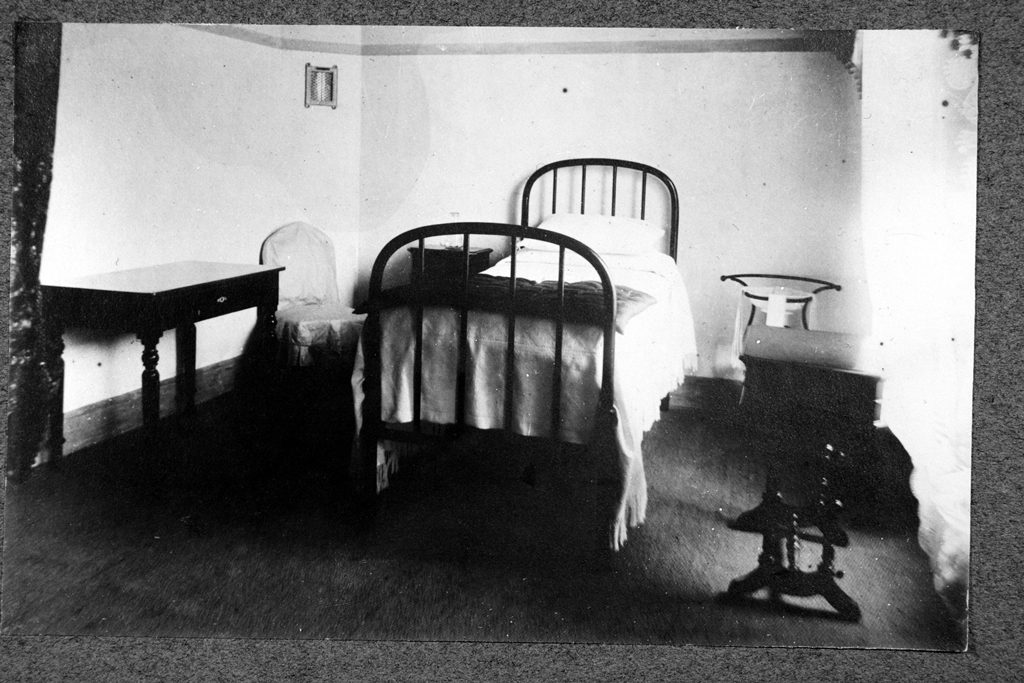
Individual room
- Modern photos, main text and page layout by Martina Marcozzi and Celeste Migliozzi (December 2015).
- Old photos (1911-12) retrieved from the personal collection of Gustavo Modena; courtesy of Stefano Giuliodori, responsible of the historical archive.
- Locate the item on this Google Maps
Bibliography
- Modena G., Annuario del manicomio provinciale di Ancona (1935) pp. 33.
Sitography